Catcher framing is the art of a catcher receiving a pitch in
a way that makes it more likely for an umpire to call it a strike.
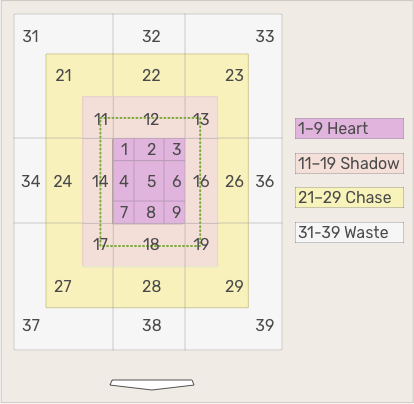
This page breaks down the catcher’s view into "attack zones" in and around the
strike zone and shows the called strike percentage and framing run value
of all non-swings in each zone. Strike Rate shows the cumulative total of all
zones. Catcher Framing Runs converts strikes to runs saved
on a .125 run/strike basis, and includes
park and pitcher adjustments. To qualify, a catcher must receive 6 called pitches per team
game.
How to say it: “In 2023-24, Patrick Bailey converted 52.7 percent of
takes in the
Shadow Zone into called strikes, the best rate of any catcher in baseball.”
Qualifier: For catchers 6 called pitches (i.e., takes, or non-swings) in
the ‘shadow zone’ per team game. For pitchers and batters 1.5 called pitches in the ‘shadow zone’ per team game.
(The shadow zone is essentially the
edges of the strike zone, roughly one ball width inside and one ball
wide outside of the zone.
See what that looks like here.)
For pitchers/batters: This shows the framing that occurred behind the plate while the player in question was pitching or hitting.
How does the ABS system affect framing? Learn more here.
Catcher 1
Catcher 2
This new version of the Catcher Framing leaderboard uses a model that is only applicable to data starting in the 2018 season. For season-level data from 2015-17
using the old framing model, find an archived version of our old Catcher Framing Leaderboard at this link.